
Today, someone at the front door is greeted by a doorbell camera. But the world was friendlier just a half-century ago. And that’s what gave door-to-door salesmen the opportunity to make a decent living.
Traveling salesmen once made up a significant part of business revenue in America. Data from Researchgate and other sources shows that in the mid-20th Century, around 10% of purchases nationally were made at a person’s own front door.
Because of a lack of nearby shopping outlets, that number was closer to 15% in the South.
From vacuum cleaners to cleaning supplies to floor waxers to magazines, people were selling and buying on the streets.
As a kid on Beech Street in Ashdown, Arkansas, my sister and I looked forward to sales folk coming to the house. It usually meant a free demonstration, sometimes candy, and every now and then my mom would buy something.
I say sales folk, because even though almost all of the people who were hawking their wares at the front door were men, my mom also had an Avon lady.
The smart sales people had candy in their pockets for the children. It helped the kids to behave, and the seller had an easier time to pitch the product. And usually, if we’d been given candy, my sister and I would encourage mom to buy something.
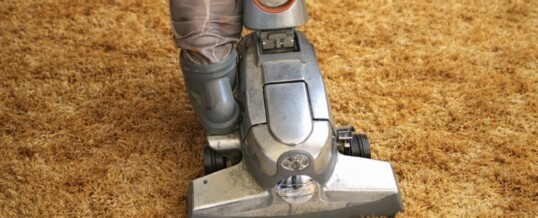
Kirby Vacuum Cleaners were a common product pitched to my mom. Eventually, she purchased one.
The man selling them would come by and demonstrate the power a Kirby wielded. And boy, did it. The things it picked up were various and impressive. But a Kirby was expensive. So it took awhile to convince her to get one.
That vacuum cleaner stayed in our family for 60 years and went from mom to me to another family member. It weighed as much as a Chrysler, but other than belt changes, it never failed any of us.
Try and find a vacuum today with that level of reliability.
Another floor device mom was convinced to buy was an Electrolux floor waxer. Our house had wood floors, which, under the constant trampling of two children took a significant beating. The salesman did the living room for free, and that sold her.
I remember my dad came home and asked if it could be returned. My mom said it could, but if she returned it, he’d be the one hand waxing the floor.
The waxer stayed.
There were the occasional magazine salesmen. Mom rarely bought magazines. With two kids there was little time for pleasure reading, but one that we did get was Grit.
Grit started as a Pennsylvania newspaper, but was later purchased and turned into, “America’s Greatest Family Newspaper,” as it called itself.
It promoted the “True Grit” and perseverance of rural Americans. Family values, patriotism, and small-town life were its focus. According to circulation figures, by the late 1960s, Grit had 1.5 million weekly readers.
The Avon lady was a regular visitor. Avon was one of the few ways a woman could earn significant income. They sold fragrances, lotions, and other things for ladies, but they also offered colognes for men. Often, in bottles that looked like automobiles and other unique shapes.
Women also sold Tupperware at home parties, but since that wasn’t really a door-to-door pitch, I never considered Tupperware to be like Avon.
Much like the Internet has taken sales from local businesses, local businesses being built in rural areas eventually hurt door-to-door sales.
Most of the products that were sold in homes then are still available now, but Avon and Tupperware filed for bankruptcy in 2024. They’re both still around, but are a shell of what they once were.
Grit is still published, but instead of weekly, it’s bi-monthly. The content now focuses on homesteading and rural life. Which is why my wife and I are subscribers.
We live on a homestead, away from most shopping centers. The only people selling things at our door today are roofing companies.
I’m sure the guys knocking now have little idea that they’re the last of what was once a significant part of American history. The door-to-door salesman.
© 2026 John Moore
John’s, “Puns for Groan People” and two volumes about growing up in the South called, “Write of Passage,” are available at TheCountryWriter.com. Write to John at John@TheCountryWriter.com.
FEB
2026