
As a kid, I was fairly certain I’d never get any couth. I wasn’t sure what couth was, but it seemed to be important to my grandparents. If you made a social error, you’d be asked, “Ain’t you got any couth?”
If you grew up between the 1940s and 1970s, it was a different world than today. Life moved at a slower pace, neighbors knew one another, kids went outside, and grandparents ruled their homes with authority. They didn’t hold family meetings or explain anything.
Looking back, it’s remarkable how nearly every grandparent seemed to follow the same unwritten rulebook, whether they lived on a farm, in a small town, or in the middle of a city or small town, including my grandparents’ home in Ashdown, Arkansas.
One of the greatest mysteries was the parlor. Today, we call it the living room. It seemed that only folks who possessed couth were allowed in there.
It was the nicest room in the house, filled with polished furniture, family photographs, lace curtains, and treasured keepsakes. Yet only a select few went in there. The family gathered in the kitchen or den. The parlor was reserved for company, weddings, funerals, or when the preacher stopped by.
If kids went in there, they did so only by invitation, and they certainly weren’t allowed to sit on the sofa. Or as my grandparents called it, the divan. The divan was covered in clear plastic that squeaked every time someone sat on it. During the summer, it clung to bare legs. Comfort wasn’t the goal. Keeping the furniture looking new was.
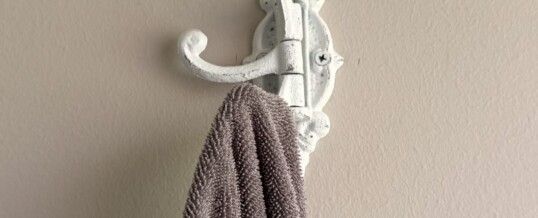
The same thinking applied throughout the house. The bathroom displayed embroidered towels no one dared use. Decorative bars of soap sat untouched beside the sink. Somehow every child knew those belonged to guests who rarely appeared. Family members used the faded, threadbare towels hanging behind the door.
The kitchen had its own set of rules.
You didn’t open the refrigerator just to decide what looked good. You knew before you opened the door. If you stood there too long, someone would yell at you that they weren’t paying to, “cool the whole neighborhood.”
Whatever was served at supper was what you ate. And whatever landed on your plate had better be gone before you left the table. Most grandparents had lived through years when wasting food simply wasn’t an option. Leftovers became tomorrow’s lunch.
Mealtime came with expectations. No elbows on the table. No hats. Chew with your mouth closed. Ask someone to pass the biscuits instead of reaching across the table. When you finished, you politely asked to be excused.
Adults were “Mr.,” “Mrs.,” or “Miss.” Answers began with “Yes, sir” and “No, ma’am.” Interrupting grown-ups wasn’t acceptable. Children waited patiently until the conversation ended, no matter how important they thought their own news might be.
Running through the house was discouraged. Beds weren’t for jumping. Muddy shoes stayed outside. And whatever you did, don’t slam the screen door. Grandparents could hear it from anywhere on the property.
Then there were the lights. Every room you left was expected to be dark. Water wasn’t left running. Waste wasn’t tolerated because every utility bill mattered.
Television had rules, too. Most homes had one set, and Grandpa usually occupied the best chair. Whatever he watched became the evening’s entertainment for everyone. Saturday night was Lawrence Welk, Porter Wagoner, and Hee Haw.
Some possessions seemed almost too valuable to use. The good china. The crystal glasses. The silverware. The fancy tablecloth. I wondered why anyone owned things that stayed tucked away in cabinets most of the year.
The answer became clearer with age.
Many of those grandparents had endured difficult times. They learned to take care of what they owned because replacing it wasn’t easy. They believed good manners reflected good character. They understood that discipline prepared children for life.
At the time, those rules sometimes felt unnecessary. Today, they feel surprisingly wise.
Many of us have caught ourselves repeating the very words we once heard growing up. Turn off the lights. Close the refrigerator. Take your shoes off. Don’t put your feet on the furniture. Finish your supper.
I have become my grandparents.
Our grandparents didn’t always explain themselves. They didn’t have to.
Years later, I finally understood that the rules were never really about plastic-covered furniture, guest towels, or staying out of the parlor. They were about respecting other people, appreciating what you had, avoiding waste, and taking pride in your home.
Lessons worth remembering.
Maybe if I keep trying, I’ll eventually get some couth.
© 2026 John Moore
John’s, “Puns for Groan People” and two volumes about growing up in the South called, “Write of Passage,” are available at TheCountryWriter.com. John would like to hear from you at John@TheCountryWriter.com.
JUN
2026