
The City of Texarkana dates its official beginnings to 1873. Like many cities and towns of the era, railroads brought people, who brought businesses. The same was true for Ashdown, Arkansas, my hometown, located just north of Texarkana.
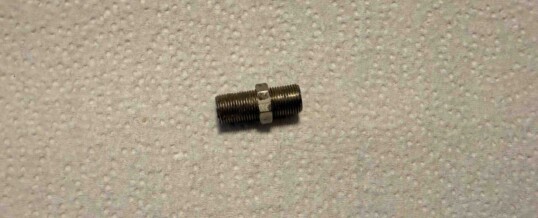
The railroad connected people. It brought the mail, needed supplies, and communication. In the 1960s, another communication system came to Texarkana: cable television. The installers strung cable down the utility poles until many homes had the opportunity to connect. By the early 1980s, Ashdown folks also had cable.
Today, we take fast and easy communication for granted. We can call anyone instantly, anywhere in the world. Until cable, 24-hour news was unheard of.
Before cable, my family watched the latest on the Vietnam War on the nightly news. By the latest, I mean a few days old.
The news reader had that distinct news-sounding voice he’d use to introduce the footage. “Here we see this newsreel, shot three days ago in Da Nang…”
The advent of cable television brought us together in a way that radio did in the 1920s, and television in the early 1950s.
Most of the television networks were offshoots of the old radio networks. ABC, NBC, and CBS, strung together with local radio stations.
When you see The Waltons gathered around their cathedral-style radio, that’s pretty accurate. Families gathered in front of their set for entertainment and news, just as they would later in front of the television.
We had three television channels in our area. Local programming during the day and national programming at night. Cable TV changed that in a big way.
Early cable programming was mostly channels imported from the nearest large city. For us in Ashdown, it was the same network affiliates we had, but the channels were from Dallas. This included PBS, which was something we did not have in our market.
PBS shows included Sesame Street, Mr. Rogers’ Neighborhood, This Old House, and Nova. They were excellent and eye-opening. They showed us things we hadn’t seen before. The kids learned. The adults learned too.
One of the most impressive cable channels was Home Box Office, or HBO. At the time, it was the only 24-hour movie channel with no commercials. Until HBO, the only way you could watch a movie without advertising was to go to a movie theater.
The first time I saw HBO was at a buddy’s house. Heaven Can Wait, with Warren Beatty and Julie Christie, was on. A great movie.
Satellite dishes were a popular option for television viewing, but as broadcasters began encoding their channels on dishes, cable television became the preferred option.
My dad finally subscribed to cable, so we could watch all of the family’s favorite shows with a guarantee that the signal would be crystal clear and reliable. With an antenna, you were at the mercy of the weather when it came to watching your shows.
Cable also changed the way we watched. Instead of checking a newspaper or waiting for a favorite program to come on, we could flip through channels and find something at almost any hour. There was a new sense of possibility in that. A movie, a ballgame, or a program from another city was suddenly just a button away.
News went from being three days old to live.
One morning, a new channel called CNN was covering a routine speech by President Reagan. They were still covering the event when the president was leaving the building to get into his limousine. On live TV, President Reagan was shot by an attempted assassin.
Just 20 years earlier, President Kennedy was murdered, but the only footage of the tragedy was taken by a civilian. The film had to be developed and shared later.
Cable television grew into more news networks, live weather channels, and very specialized programming. A storm approaching our area could be tracked on television, while news from around the world appeared as it happened. For families who had once waited days for footage, that was a remarkable change.
Today, we have channels for food, history, biographies, and much more. All of which started with cable.
In just a few decades, we went from three grainy channels to YouTube, where we can make our own TV programming if we want.
It’s easy to take for granted how connected we are today. It’s debatable whether we’re better or worse off for the advancement, but one thing is certain: we no longer have to wait three days for the news.
Today, in regard to transportation and communication, cable has just about gone the way of the railroad. Fiber optics and streaming are how we stay connected.
With the coming of AI, who knows what’s next. But one thing is certain. Cable is one of the big steps that got us where we are, and helped us to get where we’re going.
© 2026 John Moore
John’s new book, Write of Passage: Volume 3, is available on Amazon. Write to John at TheCountryWriter.com.
OCT
2026